500kW Wind Turbine Cost in India: Price, Setup & Benefits
- Vivek Kumar
- September 03, 2025
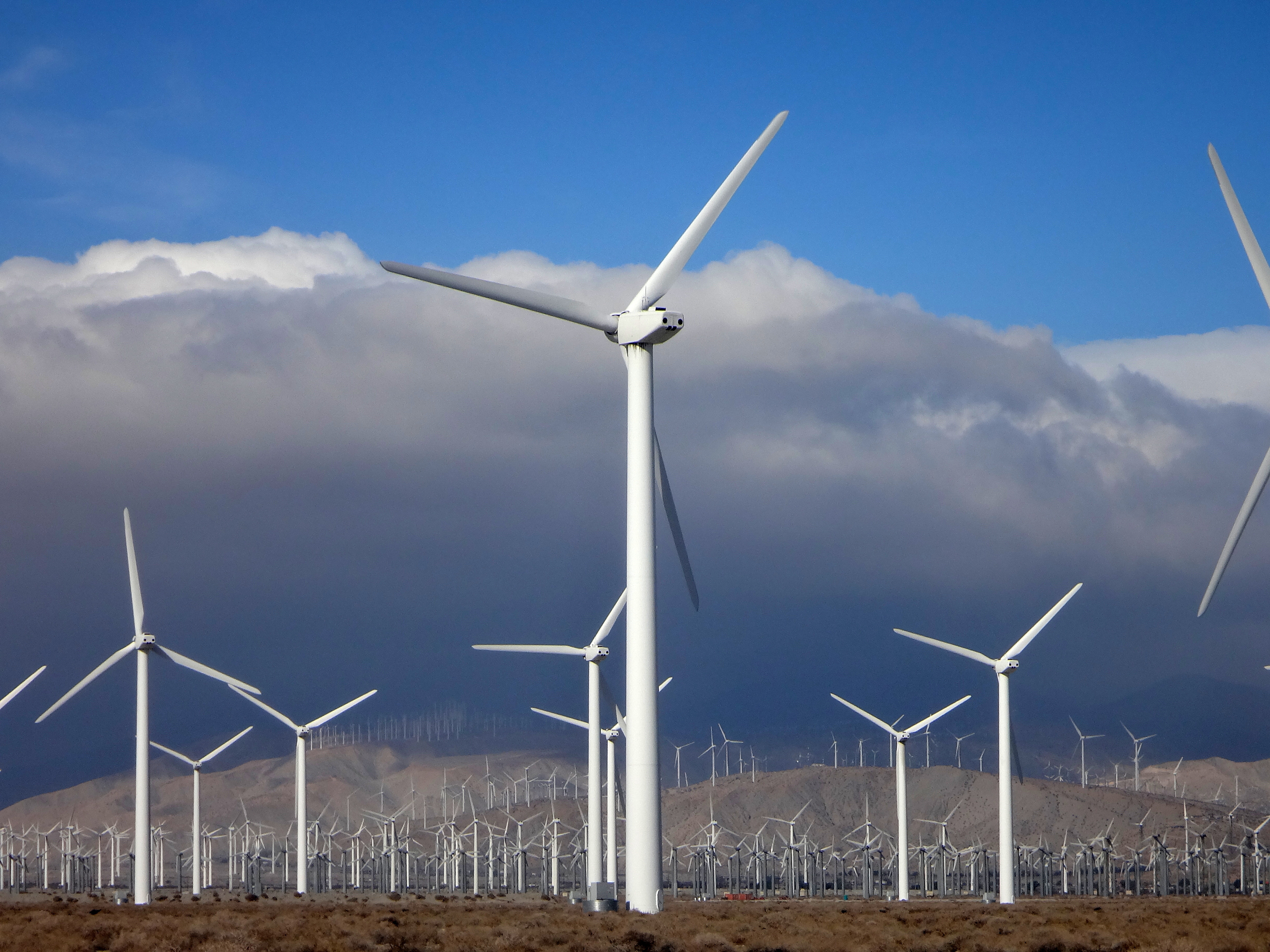
500kW Wind Turbine Cost in India
Table Of Contents
India’s growing demand for clean energy has made wind turbines an increasingly attractive option for industries, farmers, and institutions. Among various capacities, a 500kW wind turbine cost in India has become a topic of major interest for sustainable power seekers.
Mid-sized turbines like these serve as a bridge between small on-site solutions and large-scale wind farms. They help balance affordability with efficiency, offering a reliable renewable energy path encouraged by the ministry of new and renewable energy.
By exploring the expenses, benefits, and government support, we uncover why such turbines remain a preferred choice for industrial projects, agricultural cooperatives, and institutions monitored by authorities like the central electricity authority.
The role of renowned manufacturers, such as Suzlon Energy, alongside the rising importance of wind energy in India’s renewable roadmap, makes this an exciting subject for those considering long-term energy independence.
Discover the real insights behind the 500kW wind turbine cost in India, its opportunities, case studies, and future outlook that could transform how businesses and communities power their world sustainably.
What is a 500kW Wind Turbine?
A 500kW wind turbine is a medium-capacity machine designed to generate clean electricity for industries, communities, and institutions. It strikes a balance between affordability and efficiency in India’s growing shift toward renewable energy projects.
Unlike smaller models, these turbines can generate significant amounts of power, making them ideal for both on-site consumption and feeding into the grid supported by the central electricity authority.
Electricity Generation Potential
On average, a turbine of this size can generate enough power to meet the annual consumption of small-scale manufacturing plants or large farms. Actual output depends strongly on wind energy availability at the installation location.
Who Can Benefit from a 500kW Turbine?
Small industries looking to cut down electricity costs through captive power plants.
Farming cooperatives aiming to power irrigation, storage, and processing facilities.
Institutions such as universities seeking sustainable power aligned with MNRE policies.
Suitability for Indian Conditions
These turbines are best for regions with steady wind speeds and access to infrastructure. Manufacturers like Suzlon Energy design models tailored for Indian terrains, making them a reliable choice for long-term energy independence.
500kW Wind Turbine Cost in India
Understanding the 500kW wind turbine cost in India is essential for evaluating return on investment. Prices usually range between ₹4 crore to ₹7 crore, depending on brand, location, and support services offered by leading manufacturers.
Breakdown of Cost Components
The total cost of installing a 500kW turbine is not just about the equipment. Several critical elements contribute to the overall investment required for a successful wind project backed by the ministry of new and renewable energy.
Turbine equipment including blades, rotor, nacelle, and generator forms a major portion of cost.
Tower construction requires civil foundation, site preparation, and material strengthening.
Installation & commissioning charges cover skilled labor, machinery, and alignment services.
Transportation & logistics expenses vary depending on site accessibility and distance to supplier.
Operation and maintenance under long-term service contracts with firms like Suzlon Energy.
Comparison with Other Turbine Sizes
A 500kW model offers more efficiency than a 250kW option while demanding a lower upfront capital compared with turbines above 1MW. This middle ground makes it popular for enterprises exploring wind energy with limited budgets.
Cost-Effectiveness Over Time
While initial investment may seem high, operational savings and benefits under renewable energy certificates bring long-term advantages. For many businesses, lower grid dependence makes the cost justifiable across the 20–25 year lifespan of the turbine.
Factors Affecting the Cost
The total investment required for a 500kW wind turbine varies widely due to multiple influencing elements. Understanding these factors helps industries and communities make better financial and operational decisions before committing to such renewable energy projects.
Location and Wind Speed
Geographical conditions play a crucial role in determining the viability and cost. Areas with high and consistent wind energy potential reduce long-term expenses, while weaker regions require more planning and infrastructure adjustments.
Grid Connection and Infrastructure
Connecting turbines to the power grid approved by the central electricity authority often demands significant upgrades. Transmission lines, substations, and integration systems are essential, and these requirements can substantially increase upfront project costs.
Domestic vs Imported Manufacturing
The choice between locally produced and imported equipment affects overall pricing. Domestic manufacturers such as Suzlon Energy may offer cost competitiveness, while imported turbines may involve higher logistics and customs duties.
Financing Models and Interest Rates
Project financing influences total expenditure. Options like debt financing, leasing, or subsidies from the ministry of new and renewable energy can lower the financial burden, but interest rates and loan terms still shape the final cost structure.
High wind zones reduce operational costs significantly.
Remote sites demand more logistics and transport expenses.
Imported turbines incur duties, increasing project budgets.
Financing terms impact long-term profitability and ROI.
.jpg)
Government Subsidies & Policies in India
The cost of a 500kW wind turbine can be significantly reduced through government incentives. India’s renewable energy push is strongly supported by central and state agencies offering subsidies, favorable schemes, and financial benefits for investors and project developers.
Support from MNRE
The ministry of new and renewable energy provides financial assistance for wind projects through capital subsidies, concessional financing, and policy frameworks. These schemes encourage industries and communities to adopt cleaner energy sources by lowering initial investment risks.
Accelerated Depreciation Benefits
Businesses investing in wind turbines can claim accelerated depreciation benefits, helping them reduce taxable income. This measure improves cash flow in the early project years, encouraging industries under guidance from the central electricity authority to switch to renewable energy sources.
Renewable Energy Certificates
The REC mechanism allows producers of wind-generated electricity to earn tradable credits. These renewable energy certificates can be sold to utilities and obligated buyers, creating additional revenue streams for turbine owners and enhancing project feasibility.
State-Level Incentives
Several states offer additional perks like feed-in tariffs, exemptions in cross-subsidy charges, and support for captive consumption. Manufacturers such as Suzlon Energy often guide clients in accessing these benefits to reduce overall operational costs of wind turbines.
Capital subsidies lower upfront investment requirements.
Accelerated depreciation reduces the corporate tax burden.
REC trading creates extra income opportunities.
State-specific policies add tailored local incentives.
ROI and Payback Period for 500kW Wind Turbines
Evaluating the financial performance of a 500kW wind turbine involves analyzing return on investment and payback duration. With proper planning, enterprises can achieve strong financial returns from clean energy while reducing long-term dependence on conventional power sources.
Project Lifespan
Most turbines are designed to operate between 20 to 25 years. This long service life allows owners to maximize electricity generation potential and benefits under policies supported by the ministry of new and renewable energy.
Electricity Generation and Savings
A 500kW machine can generate millions of kilowatt-hours annually depending on site conditions. These savings often reduce monthly grid purchases, giving industries a steady advantage endorsed by the central electricity authority for sustained efficiency.
Payback Period
The expected payback period typically ranges between 6 to 10 years. The exact duration depends on wind quality, project financing, and incentives like renewable energy certificates, which provide additional revenue opportunities.
Captive Consumption vs Grid Sale
Captive power plants use turbine-generated electricity directly, reducing operational costs for factories and institutions.
Selling excess power to the grid generates cash flow, especially where states provide supportive tariffs to wind energy producers like Suzlon Energy clients.
Overall Profitability
Beyond cost recovery, investors benefit from sustainable savings, long-term stability, and environmental credibility. The right mix of high-wind location, supportive policy, and efficient assets ensures an attractive ROI for wind energy in India.
Case Studies – Real Life Examples
Exploring case studies helps understand practical applications of a 500kW wind turbine in the Indian market. Each example shows how different sectors utilize wind energy for cost savings, sustainability, and long-term independence from conventional electricity sources.
Industrial Captive Power Case
A cement manufacturing unit installed a 500kW turbine to lower grid dependency. The turbine powers machinery during peak hours, cutting energy bills and aligning with support structures built by the central electricity authority for industrial projects.
Agricultural Cooperative Case
A group of farmers pooled resources to invest in a captive power plant using a 500kW turbine. This setup supports irrigation pumps and cold storage, improving agricultural efficiency while benefiting from renewable energy certificates that create additional income.
Educational Institution Case
An Indian university campus adopted wind technology from Suzlon Energy to meet part of its electricity demand. The turbine supports laboratories and hostels, reflecting the vision of the ministry of new and renewable energy toward sustainable institutions.
Analysis of Benefits
Industries reduce fuel and electricity expenses through on-site generation.
Farm cooperatives improve operations and lower financial strain with sustainable electricity.
Universities enhance their sustainability profile and control long-term costs through active adoption of wind energy.
Top Manufacturers of 500kW Turbines in India
The 500kW wind turbine market in India is led by a few key players offering reliable technology and service support. These manufacturers focus on efficiency, affordability, and adaptability suited to India’s diverse terrain and renewable energy needs.
Suzlon Energy
Suzlon Energy is one of the largest wind turbine manufacturers in India. It provides mid-capacity models popularly used in commercial projects, supporting industries with dependable service networks and customized solutions for wind energy installations across rural and industrial regions.
Inox Wind
Inox Wind offers competitive solutions targeted at medium-scale installations including 500kW turbines. Backed by a wide service base, the company ensures turbine performance while aligning with the goals of the ministry of new and renewable energy.
Vestas India
Vestas India brings international expertise with proven technologies in turbine design. Its 500kW options cater to industries and institutions seeking sustainable electricity and long-term efficiency backed by the central electricity authority.
GE Renewable Energy
GE Renewable Energy offers innovative mid-sized turbines recognized for durability. Known for their advanced designs, these systems help clients achieve sustainability while making use of policy-driven advantages like renewable energy certificates.
Suzlon Energy – leading Indian manufacturer with wide service network.
Inox Wind – cost-efficient solutions for medium wind projects.
Vestas India – international expertise tailored to India’s conditions.
GE Renewable Energy – advanced technology for long lifecycle assurance.
Pros and Cons of 500kW Wind Turbines
Investing in a 500kW wind turbine comes with clear benefits but also certain limitations. Understanding both sides helps industries, institutions, and cooperatives evaluate the right balance between costs, sustainability, and long-term energy independence.
Advantages
One of the biggest strengths of this turbine size is its balance between capacity and affordability. It generates a dependable amount of wind energy suitable for small industries, farmlands, and institutions without demanding very large investments.
Provides stable electricity for industrial and community needs.
Aligns with green targets set by the ministry of new and renewable energy.
Reduces grid dependence and long-term operational costs.
Earnings possible from renewable energy certificates.
Limitations
Despite its strengths, the 500kW model also has constraints. Effective deployment depends on location, financing, and long-term servicing arrangements guided by the central electricity authority and turbine suppliers.
Higher upfront capital compared to solar alternatives.
Reliability tied to consistent wind patterns year-round.
Ongoing maintenance contracts with firms like Suzlon Energy are essential.
Requires stronger infrastructure in remote or difficult terrains.
Key Consideration
For many users, the positives of reduced electricity costs and renewable adoption outweigh challenges. However, careful project analysis is vital to ensure a captive power plant or grid-connected solution delivers expected benefits.
Frequently Asked Questions - FAQS
Q. What is the approximate cost of a 500kW wind turbine in India?
A. The cost of a 500kW wind turbine unit in India can vary significantly, but a rough estimate for the turbine itself and its installation, including the tower, is typically in the range of ₹2.5 to ₹4 crores, depending on the manufacturer and technology.
Q. What is the primary difference in cost between onshore and offshore wind turbines in this capacity?
A. The onshore and offshore wind turbine costs differ dramatically. Offshore projects, including those in the 500kW range, are significantly more expensive due to higher installation, maintenance, and logistics costs associated with the marine environment.
Q. Are there any government subsidies for a 500kW wind energy project in India?
A. While large-scale wind power projects have received support, government incentives and subsidies for wind energy projects in India are primarily handled by the Ministry of New and Renewable Energy (MNRE), and they often change. It's essential to check the latest schemes like Viability Gap Funding for projects.
Q. What factors contribute most to the total project cost of a 500kW wind turbine?
A. The total project cost is composed of the turbine unit and tower, civil and electrical works, land acquisition, grid connectivity, and project management and consultancy fees. The largest part is usually the wind turbine and its installation.
Q. What is the average annual operation and maintenance (O&M) cost for a 500kW wind turbine?
A. The annual operation and maintenance (O&M) costs for a 500kW wind turbine are typically estimated to be 1.5% to 2% of the initial capital investment. These costs include regular servicing, repairs, and insurance.
Q. How much electricity does a 500kW wind turbine produce in a year in India?
A. The electricity generation depends heavily on the wind resource at the specific site. However, in a good wind zone, a 500kW turbine can generate approximately 1.5 to 2 million units (kWh) of electricity annually.
Q. What is the expected return on investment (ROI) for a 500kW wind project in India?
A. The return on investment (ROI) for a 500kW wind project in India is influenced by factors like wind speed, feed-in tariffs, and power purchase agreements. Typically, a project can achieve payback in 7-10 years.
Q. Is it more cost-effective to buy a new or a used 500kW wind turbine?
A. Buying a used wind turbine might have a lower upfront cost, but it can lead to higher maintenance expenses and potential performance issues. A new turbine offers higher efficiency, a manufacturer's warranty, and a longer operational lifespan.
Q. What is the cost of land required for a 500kW wind turbine?
A. The cost of land acquisition varies widely based on location. A 500kW turbine typically requires about 1-2 acres of land for the turbine foundation, access roads, and other infrastructure, with costs varying regionally.
Q. How does the cost of a 500kW wind turbine compare to a similar capacity solar power plant?
A. While initial costs for a 500kW wind turbine might be higher, wind energy offers better capacity utilization factor (CUF), especially in certain regions. Solar energy projects can have lower initial costs, but wind power is a more consistent power source in windy areas.
Q. What are the financing options available for a 500kW wind project in India?
A. You can secure financing from several Indian financial institutions and public sector banks, which provide project financing and loans for renewable energy projects. You should also check with specialized institutions like IREDA for specific schemes.
Q. What is the cost of a 500kW wind turbine’s blades and generator?
A. The cost of components like the blades and generator can be a significant part of the total cost. A new set of blades and a replacement generator can amount to a substantial portion of the turbine's original price.
Q. Does the brand of the wind turbine affect its cost?
A. Yes, the wind turbine brand has a major impact on cost. Internationally renowned brands often have higher prices due to advanced technology and reliability. Indian manufacturers may offer more competitive pricing.
Q. Are there any hidden costs in setting up a 500kW wind turbine in India?
A. Hidden costs can include expenses for grid interconnection studies, civil foundation work, unforeseen transportation challenges, and increased costs for unforeseen land or legal issues. A detailed feasibility study helps mitigate these.
Q. How does the cost of a 500kW wind turbine change with its hub height?
A. The hub height directly impacts the cost due to the tower's material and construction. A taller tower allows the turbine to capture stronger and more consistent winds, but increases the overall investment.
Q. What is the role of a feasibility study in determining the project cost?
A. A feasibility study is crucial as it assesses the wind resource, site suitability, and logistical challenges. It provides a more accurate estimate of the project's total cost and potential revenue, which is vital for securing financing.
Q. How long is the typical lifespan of a 500kW wind turbine?
A. A well-maintained 500kW wind turbine has a design lifespan of around 20 to 25 years. With proper upkeep, its operational life can be extended, though major components might need to be replaced after a certain period.
Q. What is the cost of grid connectivity for a 500kW wind project?
A. The grid connectivity cost involves setting up transformers, switchgear, and a transmission line to connect the turbine to the grid. This cost is highly site-specific and depends on the distance to the nearest substation.
Q. Is the cost of a 500kW wind turbine fixed or does it vary?
A. The cost is not fixed and is subject to market fluctuations, raw material prices (like steel), currency exchange rates, and technological advancements. It is always a good practice to get multiple quotes from different manufacturers.
Q. What is the average cost per kW for a 500kW wind turbine project?
A. The cost per kW for a 500kW wind turbine project is typically higher than for larger utility-scale turbines. This is due to a lack of economies of scale. It can range from ₹5 to ₹8 crores per megawatt or more.
Conclusion
Investing in a 500kW wind turbine is increasingly seen as a balanced choice for industries, farms, and institutions. It offers the right mix of capacity, cost, and long-term benefits within India’s expanding renewable energy ecosystem.
Recap of Cost and Benefits
Although initial investment appears significant, predictable returns across two decades make these projects worthy. Backed by the ministry of new and renewable energy, financial incentives and policies enhance affordability and secure long-term operational efficiency.
Provides dependable mid-scale wind energy capacity suitable for diverse uses.
Ensures viability through renewable energy certificates and state-specific benefits.
Encourages adoption through clear frameworks by the central electricity authority.
Future Outlook
With continuous advancements and contributions from manufacturers like Suzlon Energy, adoption of mid-capacity turbines is likely to grow further. Their role in India’s journey toward sustainable power will remain important for decades to come.
Final Thought
For businesses or communities seeking independence from conventional power, a 500kW turbine presents an effective middle ground. It blends sustainability, reliability, and financial strength, making it a practical cornerstone of India’s renewable energy transformation.
