Can You Power Wash Solar Panels? Tips for Safe Cleaning
- Vivek Kumar
- February 23, 2025
Can You Power Wash Solar Panels?
Table Of Contents
Have you ever wondered, "Can you power wash solar panels?" It's a common question among homeowners and businesses investing in renewable energy. Cleaning solar panels is essential for maintaining their efficiency, but not all methods are safe or effective.
In this article, we will dive deep into the topic of cleaning solar panels. We'll explore whether power washing is a good idea, discuss its risks, and provide safer alternatives for maintaining your solar panel system.
By the end of this guide, you'll know exactly how to clean your solar panels without compromising their performance or longevity.
Discover whether power washing is safe for solar panels and explore better alternatives to keep them efficient and damage-free.
Can You Power Wash Solar Panels?
No, you should not power wash solar panels. Using a high-pressure washer on solar panels can cause significant damage.
Power washing might seem like a quick solution for cleaning your solar panels, but it comes with significant risks. While it can remove dirt and grime effectively, the high pressure can damage the delicate surface of the panels.
Solar panels are designed with a protective layer that can be scratched or cracked under intense water pressure. This damage not only reduces efficiency but may also void the manufacturer’s warranty. Therefore, it’s crucial to consider alternative cleaning methods.
The intense water pressure can:
- Damage the photovoltaic (PV) cells
- Create small cracks in the panels
- Cause hot spots and burn scars
- Allow water to seep into the panels, leading to electrical malfunctions
Instead of power washing, experts recommend gentler cleaning methods for solar panels:
- Use a low-pressure garden hose
- Clean with soapy water and a soft, non-abrasive sponge or cloth
- Employ a mild, environmentally friendly soap (similar to dish soap)
- Rinse thoroughly with clean water
- Dry with a squeegee or chamois to prevent streaks
For stubborn stains or hard-to-reach panels, consider hiring a professional solar panel cleaning service. They have the proper equipment and expertise to clean panels safely and effectively.
Remember, regular cleaning is important for maintaining solar panel efficiency, but it should be done carefully to avoid damaging the expensive equipment.
Why Cleaning Solar Panels is Important
Dust, dirt, bird droppings, and other debris can accumulate on the surface of solar panels over time. This buildup blocks sunlight from reaching the photovoltaic cells, reducing energy output significantly.
Studies show that dirty solar panels can lose up to 30% of their efficiency in just one month. Regular cleaning ensures optimal performance and extends the lifespan of your investment in renewable energy.
Safer Alternatives to Power Washing
If power washing is risky, what are the safer options? Here are some effective methods:
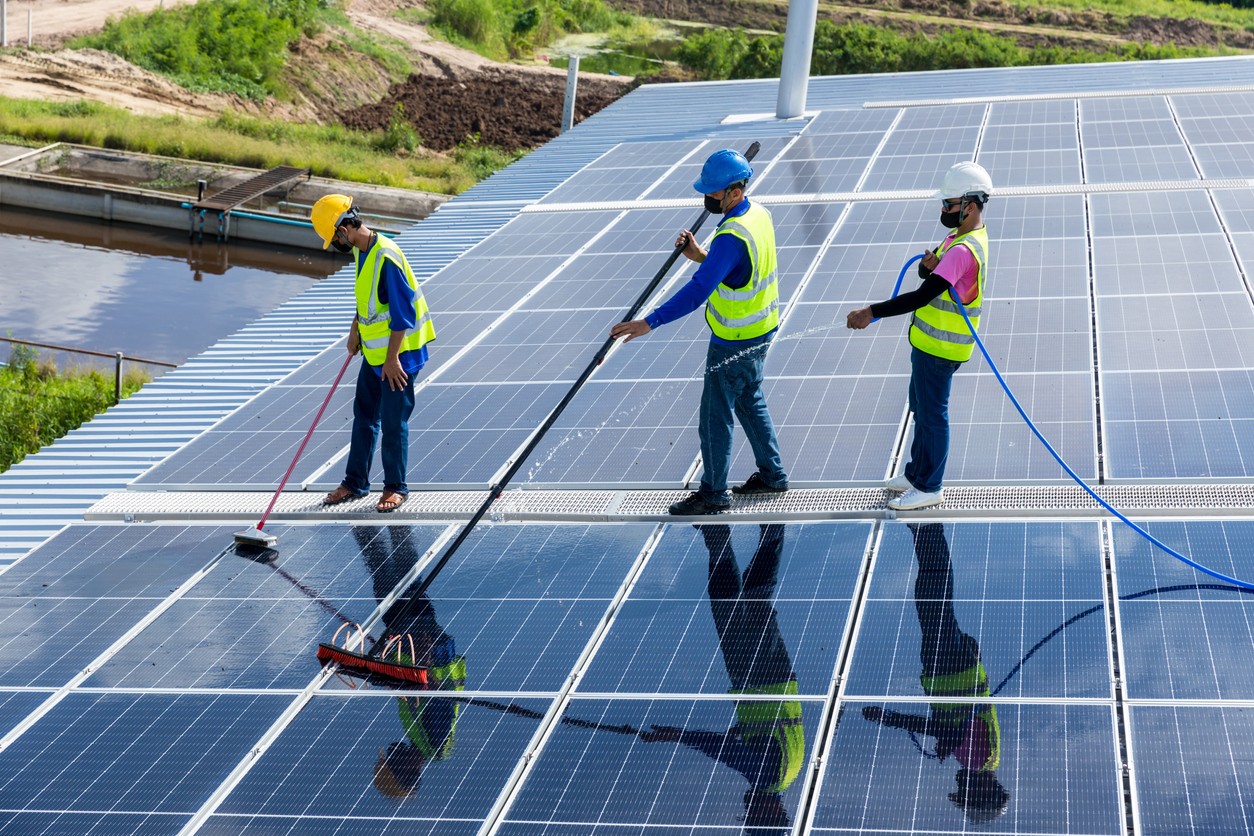
- Soft Brush and Water: Use a soft-bristled brush with water to gently scrub away dirt without scratching the surface.
- Hose with Low Pressure: A garden hose with low water pressure can rinse off loose debris effectively.
- Professional Cleaning Services: Hiring professionals ensures thorough cleaning using specialized tools and techniques.
- Waterless Cleaning Systems: Advanced technologies like electrostatic repulsion can clean panels without water or physical contact.
How Often Should You Clean Solar Panels?
The frequency of cleaning depends on your location and environmental factors. For instance:
- Urban Areas: Clean every 6 months due to pollution and dust accumulation.
- Desert Regions: Clean every 3 months as sand and dust storms are common.
- Agricultural Zones: Clean quarterly due to pollen and dirt from farming activities.
- Tropical Areas: Clean after heavy rains if mud or debris sticks to the surface.
Frequently Asked Questions - FAQs
Q. Can you use soap to clean solar panels?
A. Avoid soap as it can leave residue on the panels, reducing efficiency. Use plain water or specialized cleaning solutions instead.
Q. Is rain enough to clean solar panels?
A. Rain helps but doesn’t remove stubborn dirt or bird droppings. Manual cleaning ensures thorough maintenance.
Q. Can I walk on my solar panels while cleaning?
A. No, walking on solar panels can cause cracks or damage their structure. Always use safe access tools like ladders or scaffolding.
Q. What tools should I avoid while cleaning?
A. Avoid abrasive brushes, high-pressure washers, and harsh chemicals as they can damage the panel’s surface.
Q. How do I know when my solar panels need cleaning?
A. Monitor energy output regularly; a sudden drop may indicate dirty panels requiring cleaning.
Q. Can I clean my solar panels during hot weather?
A. It’s best to clean early in the morning or late in the evening when the surface is cool to avoid thermal shock.
Q. Are there self-cleaning options for solar panels?
A. Yes, some advanced systems use electrostatic technology or hydrophobic coatings to reduce dust accumulation automatically.
Q. Do I need professional help to clean my solar panels?
A. While DIY methods work for small setups, professional services are recommended for large installations or hard-to-reach areas.
Q. Can dirty panels void my warranty?
A. Neglecting maintenance might void warranties in some cases; always follow manufacturer guidelines for cleaning.
Q. Is it safe to use vinegar for cleaning?
A. Diluted vinegar can be used sparingly but ensure no residue remains as it might harm the panel coating over time.
Conclusion
Caring for your solar panels is essential for maintaining their efficiency and longevity. While power washing may seem convenient, it poses risks that outweigh its benefits. Instead, opt for safer alternatives like soft brushes or professional services to keep your system running at peak performance.
