How Long Can a House Run on Solar Power Alone? Key Insights
- Vivek Kumar
- February 23, 2025
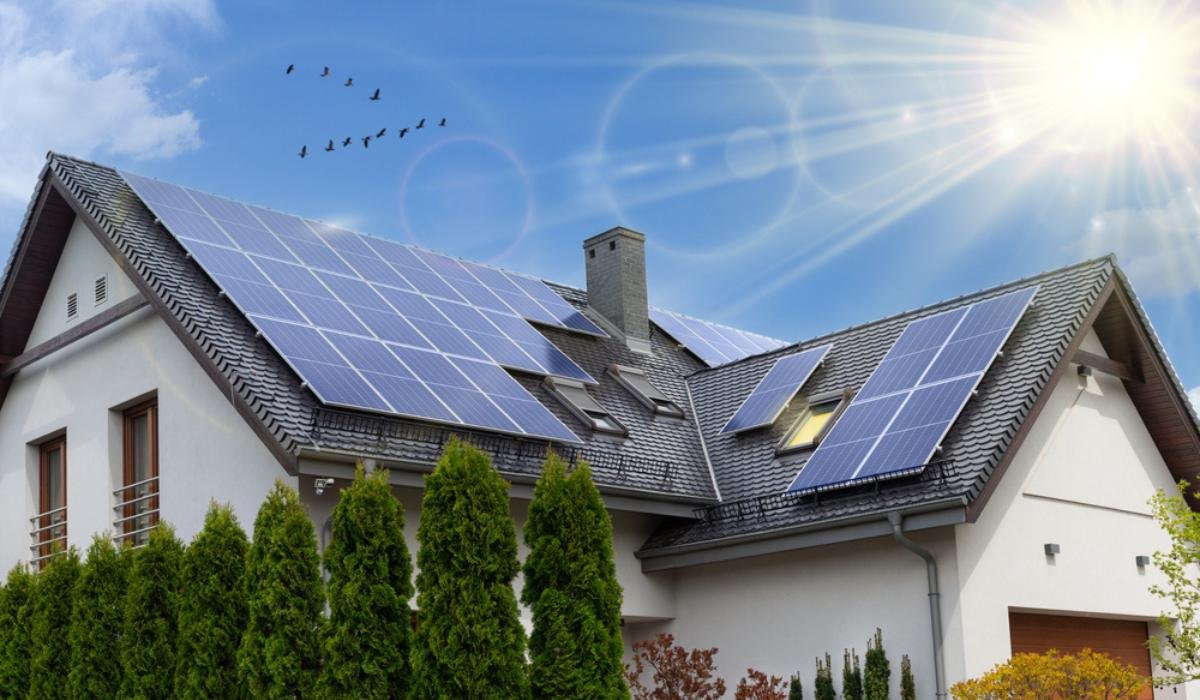
How Long Can a House Run on Solar Power Alone?
Table Of Contents
Have you ever wondered, "How long can a house run on solar power alone?" With the growing interest in renewable energy, this question has become increasingly relevant. Solar power offers an eco-friendly and cost-effective solution to meet household energy needs.
In this article, we’ll dive into the factors that influence the duration of solar-powered homes, from battery capacity to energy consumption patterns. Whether you're considering solar installation or optimizing your current system, this guide is for you.
Join us as we explore the potential of solar energy and uncover practical ways to maximize its efficiency for your home. Let’s get started.
Explore how solar power can transform your home’s energy independence and learn how long it can sustain your lifestyle.
How Long Can a House Run on Solar Power Alone?
The ability of a house to run solely on solar power depends on several factors such as battery storage capacity, daily energy consumption, and weather conditions. On average, a 10 kWh battery can power essential systems for 12-24 hours without sunlight.
When paired with properly sized solar panels, the system can recharge during daylight hours, extending its capability indefinitely under optimal conditions. However, energy efficiency practices play a critical role in determining how long your home can rely on solar power alone.
Key Factors Affecting Solar Power Duration
- Solar Panel Capacity and Efficiency
- The amount of electricity generated depends on the number and efficiency of solar panels.
- High-efficiency panels can convert more sunlight into electricity, maximizing energy production even in limited sunlight conditions.
- Proper positioning (e.g., south-facing roofs) and avoiding shading are critical for optimal energy generation.
- Battery Storage
- Solar batteries store excess energy generated during the day for use at night or during low sunlight periods.
- A typical 10 kWh battery can power an average home for about 8–24 hours, depending on energy usage.
- For longer durations or off-grid living, multiple batteries (e.g., 8–12) may be required to sustain power needs.
- Energy Consumption Patterns
- Houses with lower energy consumption (e.g., excluding heating or air conditioning) can run longer on stored solar power.
- Careful energy budgeting extends battery life during outages.
- Switching to energy-efficient appliances and all-electric systems (e.g., heat pumps, induction cooktops) can enhance sustainability.
- Geographic and Seasonal Variations
- Locations with higher sunlight exposure generate more solar energy, while seasonal changes (e.g., winter) may reduce output.
- This makes battery storage essential for consistent power supply.
Maximizing Solar Power Efficiency
Maximizing solar power efficiency is crucial for optimizing energy output, reducing costs, and contributing to sustainable energy goals. Below is a detailed exploration of strategies and factors that influence solar panel efficiency.
Key Factors Affecting Solar Panel Efficiency
- Solar Cell Efficiency
- Solar cell efficiency refers to the percentage of sunlight converted into usable electricity.
- It depends on factors like material composition, electrical configuration, and surrounding components.
- High-efficiency solar panels (e.g., 21% vs. 14%) can produce significantly more electricity under the same conditions.
- Temperature
- Solar panels lose efficiency as temperatures rise, with energy production dropping by approximately 0.33%–0.5% per degree Celsius above standard test conditions (STC).
- Cooling methods, such as air or water cooling and thermoelectric generators (TEGs), can mitigate this issue.
- Sunlight Exposure
- Factors like shading, panel orientation, and tilt angle directly impact sunlight absorption.
- Panels should be installed in locations with minimal shading and adjusted for optimal azimuth and tilt angles based on geographic location and season.
- Panel Type
- Monocrystalline panels are more efficient than polycrystalline ones due to their uniform structure and higher purity, making them a preferred choice for maximizing energy output.
Strategies to Maximize Solar Power Efficiency
1. Optimize Installation
- Angle and Orientation: Panels should face south (in the Northern Hemisphere) with an optimized tilt angle to capture maximum sunlight throughout the year.
- Azimuth Adjustment: Adjusting the azimuth angle ensures maximum sunlight capture at different times of the year.
2. Use Advanced Technologies
- Solar Trackers: Single-axis or dual-axis trackers adjust panel positions to follow the sun, increasing energy production by up to 81% compared to fixed panels.
- Solar Concentrators: Devices like mirrors or lenses focus sunlight onto panels, enhancing energy capture while requiring proper cooling systems to manage heat buildup.
3. Maintain Panels Regularly
- Dust, dirt, or debris on panels can reduce sunlight absorption by up to 21%. Regular cleaning ensures optimal performance.
4. Integrate Cooling Systems
- Active methods (e.g., water cooling) and passive methods (e.g., heat sinks) help reduce panel temperatures, improving efficiency and longevity.
- Thermoelectric generators (TEGs) convert excess heat into electricity, further boosting overall system efficiency.
5. Invest in Backup Systems
- Solar batteries store excess energy for use at night or during cloudy days, ensuring consistent power availability while reducing reliance on the grid.
6. Choose High-Efficiency Panels
- Opt for panels with higher efficiency ratings (e.g., 25%) to maximize power output per square meter of installation space.
7. Avoid Shading
- Even partial shading can significantly reduce panel output. Ensure installations are free from obstructions like trees or buildings that cast shadows during peak sunlight hours.
The Role of Solar Batteries
A reliable battery system is crucial for homes running on solar power alone. Batteries store excess energy generated during the day for use at night or during cloudy periods. Lithium-ion batteries are popular due to their high efficiency and long lifespan.
The size of your battery bank should match your household's energy needs. For example, a 10 kWh battery may suffice for basic needs but could fall short if you use high-demand appliances like air conditioners or electric heaters frequently.
Challenges and Solutions
- Nighttime Power: Solar panels do not produce electricity at night; batteries are essential for storing daytime surplus.
- High Energy Demand: Homes with heavy appliance usage may require more panels and batteries to meet demand.
- Weather Dependence: Cloudy days reduce generation; hybrid systems (e.g., grid-tied setups) provide backup options.
Frequently Asked Questions - FAQs
Q. How long can a house run on a fully charged solar battery?
A. A fully charged 10 kWh battery can typically last 12-24 hours depending on household energy usage.
Q. Can solar panels work during cloudy days?
A. Yes, but their efficiency decreases significantly as they rely on sunlight to generate electricity.
Q. What happens when the battery runs out?
A. When the battery depletes, your home will either switch to grid power or lose electricity if off-grid without backup options.
Q. Is it possible to live entirely off-grid with solar?
A. Yes, with sufficient panels, batteries, and proper planning, off-grid living is feasible using solar power alone.
Q. How do I calculate my home's energy needs?
A. Add up the wattage of all appliances used daily and multiply by their runtime in hours to estimate total consumption.
Q. Do I need a backup generator with solar panels?
A. A generator is optional but useful during extended cloudy periods or high demand beyond battery capacity.
Q. How often should I maintain my solar system?
A. Regular maintenance every 6-12 months ensures optimal performance and longevity of your system.
Q. Can I add more panels or batteries later?
A. Yes, most systems are scalable to accommodate additional panels or batteries as needed.
Q. What is the lifespan of a solar battery?
A. Most lithium-ion batteries last 10-15 years with proper care and usage patterns.
Q. Are there incentives for installing solar systems?
A. Many governments offer tax credits or rebates to encourage renewable energy adoption; check local policies for details.
Conclusion
The question "How long can a house run on solar power alone?" depends largely on system design, battery capacity, and energy habits. By understanding these factors and optimizing your setup, you can maximize the benefits of renewable energy while reducing reliance on traditional power sources.
